 DIESELDESK
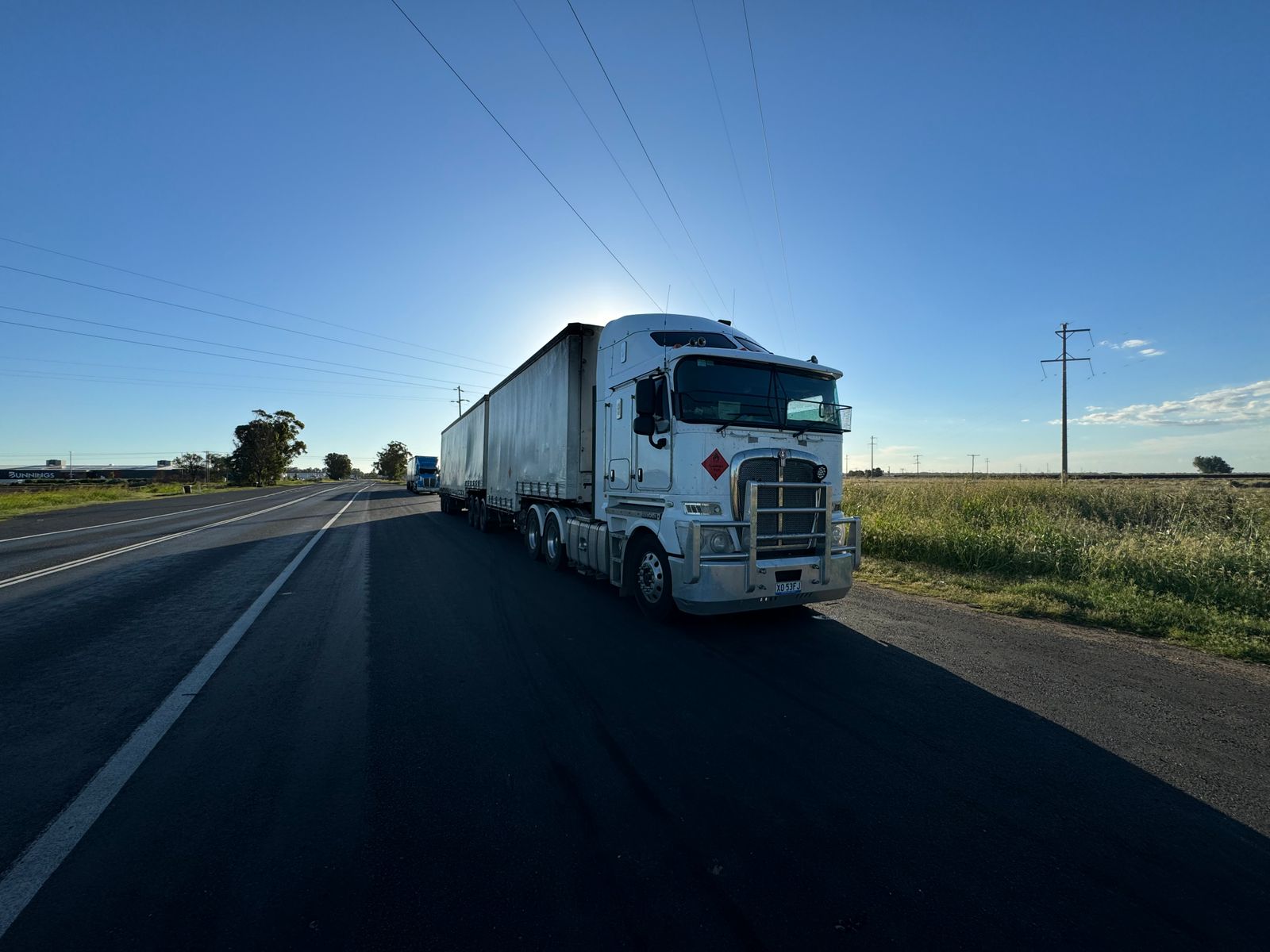
A five-minute walk-around before you drive catches most problems that leave trucks on the side of the road. The National Heavy Vehicle Regulator publishes a daily safety checklist. It's a visual guide, not a full inspection, and operators should adapt it to their vehicles. Here it is, with notes from our workshop.
Brakes
- Brake failure warning lights work.
- Air pressure or vacuum gauges work and build up normally.
- Air tank drain valves work. Drain the tanks: water or oil in the air system means a dryer or compressor problem.
Mechanic's note: listen for air leaks with the engine off and the brakes released. A slow build-up time is an early warning.
Couplings
- Fifth wheel, ball race and mountings are secure.
- Kingpin is properly engaged in the fifth wheel jaws. Do a tug test.
- Towbar, drawbar and couplings are securely mounted, and the trailer coupling is locked.
- Air lines, electrical and ABS/EBS connectors are attached to the trailer.
Wheels, tyres and hubs
- Tyres are inflated correctly. Check with a gauge, not by eye or by kicking them.
- Tread depth and condition: no cuts, bulges or exposed cords.
- Wheels are secure. Look for rust streaks from wheel nuts and for moved wheel nut indicators. See wheel nuts and wheel loss.
Lights, reflectors and mirrors
- All lights work, including clearance lights, indicators and brake lights.
- Reflectors and lenses are present and in good condition.
- Mirrors are present, secure, undamaged and adjusted.
Body, windscreen and horn
- Panels and visible structures are secure.
- Horn works.
- Windows work, and wipers and washers keep your view clear.
Engine, driveline and exhaust
- No fluid leaks under the vehicle. Air-con or fridge condensation is fine.
Mechanic's note: also check engine oil, coolant and AdBlue levels before a long run, and look for chafed wiring and hoses around the engine bay.
Electric and gas-powered trucks
If you drive an electric truck, check high-voltage wiring for damage, that there's no electrolyte leaking, and that the battery warning light cycles at ignition. For gas or hydrogen trucks, check the containers are in good condition and restrained, and there are no gas leaks.
Found a problem?
Don't drive a vehicle that isn't safe. Report it, and if you're on the road, find a workshop near you.
Sources
Last checked 29 November 2026. General information only, not legal advice. Rules change and can differ between states: check the official sources above, your company's procedures and your state's road rules.