 DIESELDESK
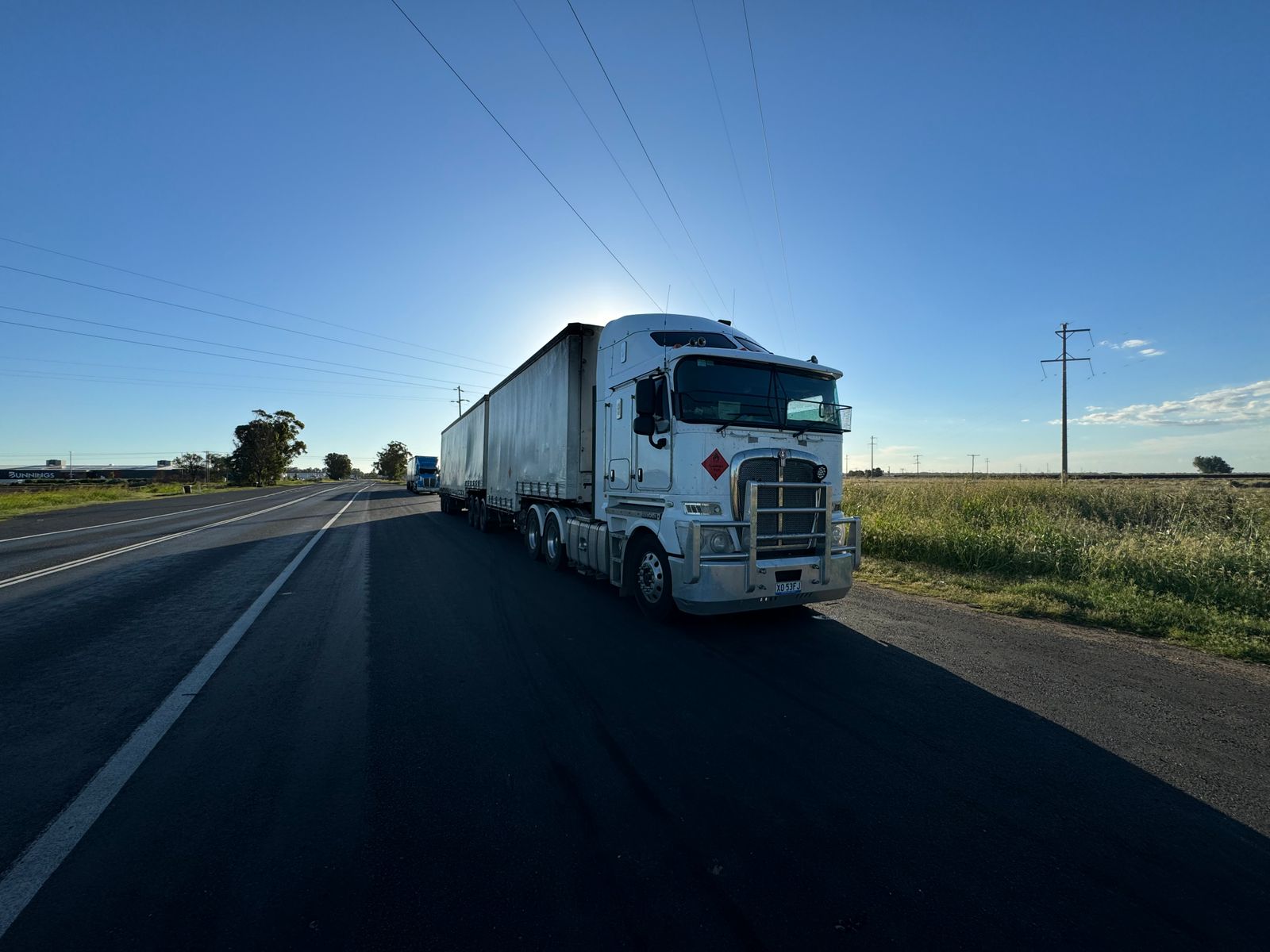
Out past the last town, help can be hours or days away and mobile coverage disappears. A breakdown that's an inconvenience on the Hume can be life-threatening on the Tanami. Here's how to be ready.
Before you go
- Tell someone your plan: your route, where you'll stop and when you expect to arrive. Check in when you get there.
- Check the vehicle: roadworthy, serviced, spare tyre inflated, jack and tools on board.
- Check the road: closures, flooding and unsealed sections. State road condition websites and the DieselDesk news page help.
- Plan your fuel: know where every fuel stop is, and their opening hours. Many remote roadhouses aren't open 24 hours. The DieselDesk trip planner lists long stretches without known fuel.
What to carry
- Water and food for several days, in case you're stuck. Many remote travellers carry a lot more water than they expect to need.
- A way to call for help without mobile coverage: a satellite phone, HF radio, satellite messenger or Personal Locator Beacon (PLB). Mobile phones and UHF/CB radios won't reach help in remote areas.
- First aid kit and any personal medication.
- Sun and insect protection, a hat and warm clothes. Deserts get cold at night.
- Torch, spare batteries and a phone charger.
- For trucks: enough AdBlue for the trip, spare fuel filters, and the basic tools and spares you know your truck needs.
If you break down or get stuck
Stay with your vehicle. It's your shelter and shade, and it's much easier for searchers to spot than a person walking.
- Call 000 if you can. In poor coverage areas, the Royal Flying Doctor Service advises you can also try 112.
- If you have a PLB and your life is in danger, activate it.
- Ration your water from the start, and stay in the shade during the day.
- Use DieselDesk's My exact location to get your GPS coordinates to read out. It works offline once loaded.
On the road
- Take a break at least every 2 hours. Long, straight roads are hypnotic.
- Don't speed on long straights. Wildlife and livestock are most active at dawn and dusk.
- Give road trains plenty of room. They can be over 50 metres long and need a long way to stop.
Sources
- Royal Flying Doctor Service: Outback survival and safe motoring
- SA Police: Remote travel safety (PDF)
- WA Government: Consider your safety with a personal locator beacon
Last checked 29 November 2026. General information only, not legal advice. Rules change and can differ between states: check the official sources above, your company's procedures and your state's road rules.